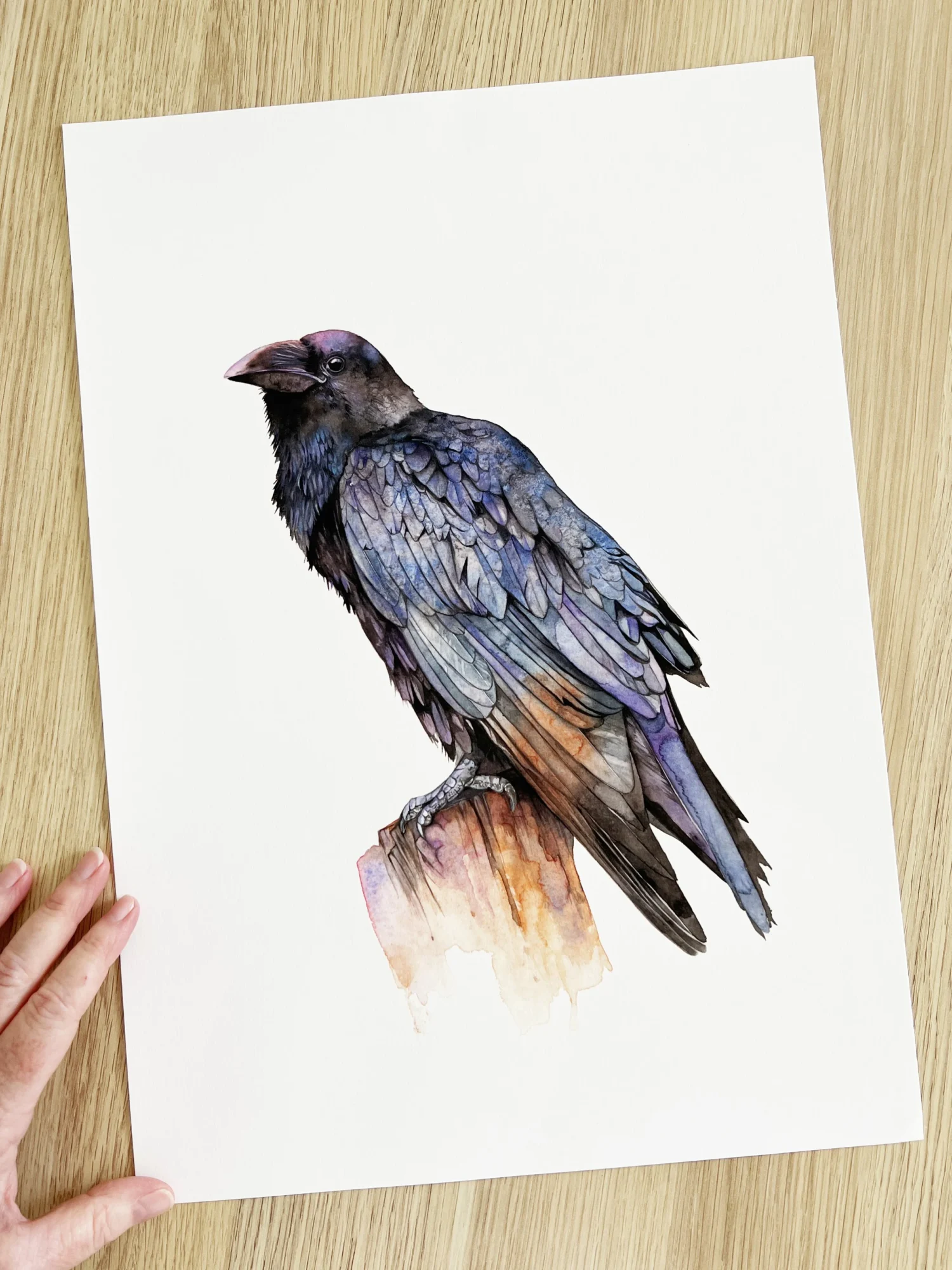
Hybrid Aesthetics in 2025, many artists are embracing hybrid aesthetics: blending the warmth and imperfection of traditional media (ink, watercolor, pencil) with the precision and versatility of digital tools.
The result? Art that feels both human and high-tech impermanent brush strokes meet crisp digital finishes, creating depth, texture, and soul in ways purely digital art sometimes misses. This trend is shaping editorial illustration, concept art, indie games, and even branding.
What’s fueling the trend
- According to a recent overview of illustration trends, there’s a strong resurgence of “neo-traditionalism”: visible brush textures, scanned sketchbook pages, mixed with digital clean-ups and coloring. Fabrik+1
- As more people grow tired of overly polished, lifeless digital art, the demand rises for visuals that feel handcrafted textures, grain, imperfect lines, and the occasional “happy accident.” VCAD+1
- On the digital art education front, tools and workflows support this hybrid approach: artists sketch on paper or digitally, scan or import into software, then enhance with layers, textures, and digital effects giving maximum flexibility without losing “soul.” usv.edu+1
How it shows up
| Setting / Use | Typical Features |
|---|---|
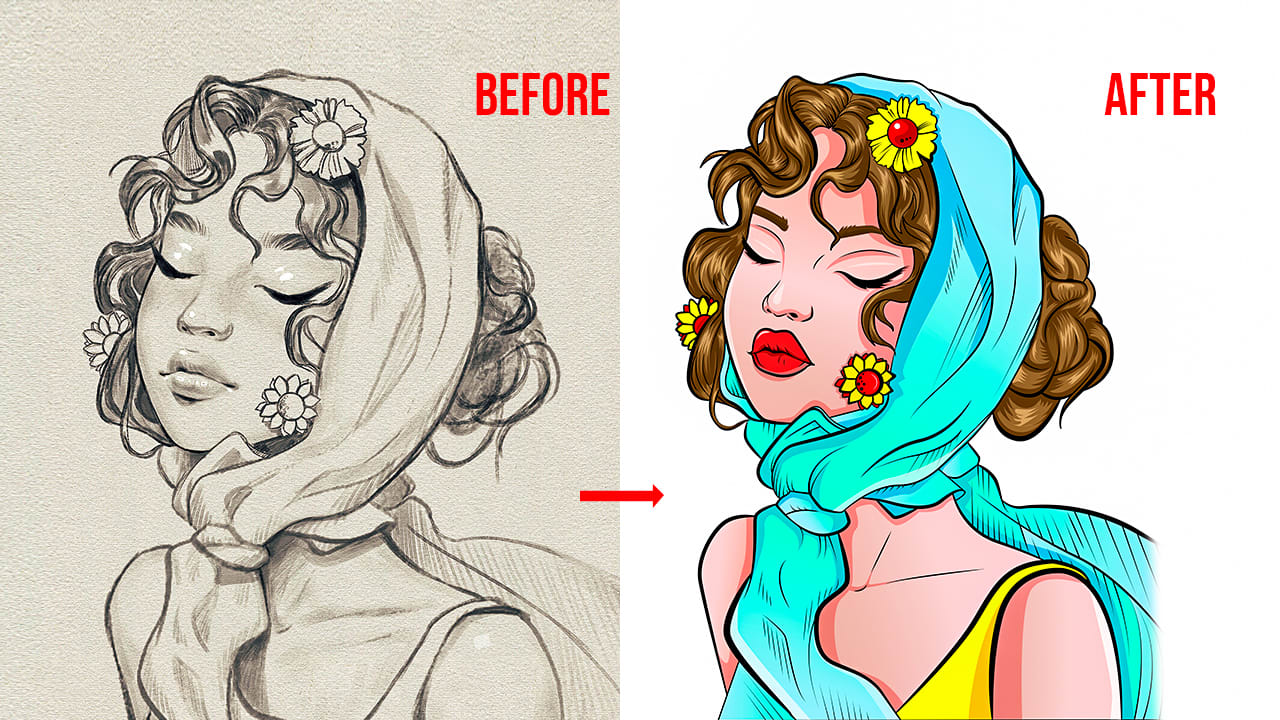
| Editorial / Book Illustration | Watercolor/ink outlines + digital color overlays, paper-grain textures, hand-lettered text |
| Concept Art / Indie Games | Rough pencil/ink base, digital coloring + shading, worn textures, environmental lighting |
| Branding / Packaging | Hand-drawn icons/logos → digitized and refined; organic textures melded with digital layout |
| Mixed Media / Print Art | Digital base + overlaid analog textures (paper grain, watercolor blotches), producing “analog-digital” hybrids |
Why this resonates
- Authenticity over perfection — In a world saturated with AI-generated visuals and slick 3D renders, human flaws, textures, and hand-made vibes stand out.
- Versatility & efficiency — Artists get the best of both worlds: start with raw, expressive sketches (fast), then polish, color-check, and duplicate digitally (efficient).
- Emotional depth & storytelling — Brush strokes, grain, and texture evoke mood, memory, nostalgia ideal for evocative illustrations, narrative art, and emotionally driven design.
Tips for Artists / Designers
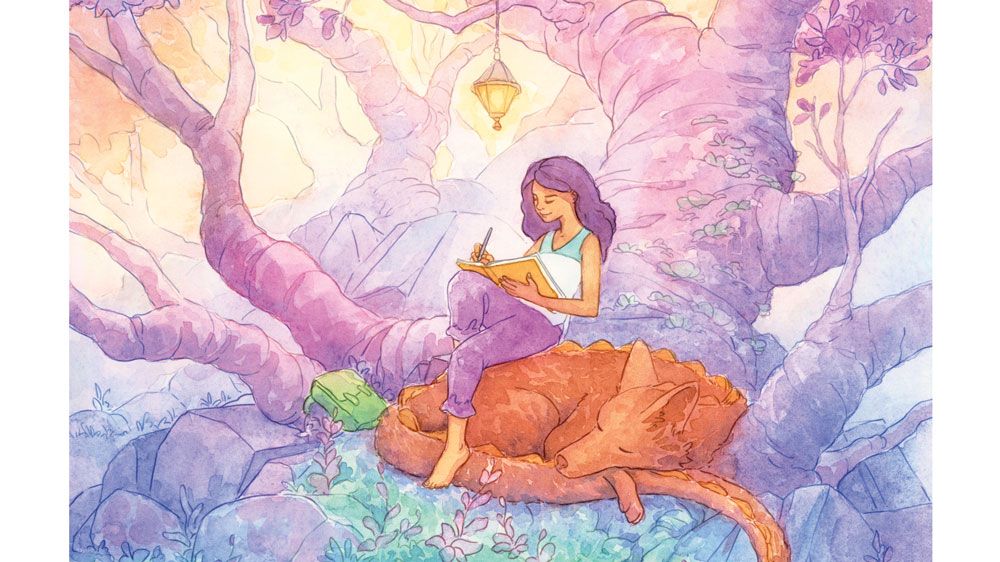
- Start traditionally — even a quick pencil/ink drawing, photograph or scan it, and bring into a digital canvas for coloring and effects.
- Use texture overlays intentionally — subtle paper grain, watercolor blotches, or pencil noise add personality without overwhelming the design.
- Allow “imperfections” — rough outlines, varying line weight, uneven shading these make art feel alive, not sterile.
- Balance analog + digital — too much texture or mess can overwhelm; too much polish kills the warmth. Find the sweet spot.
- Experiment across mediums — combine digital 3D renders with traditional brush overlays; mix vector with watercolor textures; collage, scan, glue the hybrid world is wide open.
For Further Reading & Inspiration
- “Illustrators Rising: Trends for 2025 & Beyond” — overview of neo-traditionalism, motion illustration, AI-human collaboration. Fabrik+1
- “Top 10 Graphic Design Trends in 2025” — insight into why textured grains and organic shapes are gaining traction. VCAD+1
- “Futuristic Trends in Illustration and Graphic Design – 2025 Insights” — blending 3D illustration, retro-futurism and eco-conscious visuals. Graphics-Illustrations
👉 Ready to design your brand identity? Explore our services at PariPixel.com